 Skip to content

Summer heat can do more than raise your energy bill, it can also put added stress on the plumbing beneath your home. A slab leak hot weather problem may begin as a small, hidden drip, but shifting soil, heat, and changing water pressure can quickly turn it into costly damage.
Knowing the early warning signs can help protect your foundation, flooring, and budget. SWAGS Plumbing and Rooter explains why slab leaks can become a bigger concern during hot weather, what signs to watch for, and when it’s time to call a professional.
Why Your Under-Slab Pipes Are Vulnerable in Hot Weather
High ambient temperatures affect both the soil surrounding your home and the structural concrete slab beneath your feet. Understanding these physical changes reveals why a slab leak hot weather situation happens so frequently during the hottest months of the year.
Soil Contraction and Expansion Cycle
During long stretches of hot weather, soil dries out and shrinks, especially clay-heavy soil. When rain or irrigation adds moisture back, the ground expands again. This repeated movement puts pressure on pipes beneath the slab, causing them to shift, rub against surrounding materials, and eventually leak.
Increased Household Water Demand
Summer often means more water use, from sprinklers and pools to extra showers and laundry. That added demand can put more stress on aging or weakened pipes. If a pipe already has a vulnerable spot, increased use can turn a small drip into a slab leak hot weather problem.
Ground Thermal Expansion and Concrete Friction
Concrete slabs hold onto heat, while pipes naturally expand and contract as temperatures change. Over time, this movement can cause pipes to rub against concrete and surrounding materials, wearing them down and eventually leading to a hidden slab leak.
Hidden Slab Leak
Common Signs of a Hidden Leak During Summer Heat
Spotting an active leak under a thick layer of concrete requires paying close attention to secondary signs throughout your home. A hidden slab leak gives off several physical, auditory, and visual indicators.
Unexplained Spikes in Water Bills
A sudden jump in monthly water consumption often provides the first warning of a slab leak hot weather issue. If your daily routines remain unchanged yet your utility bill climbs significantly during hot weather, water is likely escaping beneath your home.
According to environmental research from the U.S. Environmental Protection Agency, household plumbing leaks waste over one trillion gallons of water annually across the nation. A single undetected sub-slab leak can waste hundreds of gallons each day.
Unusually Warm Spots on Your Flooring
If you notice a warm spot on your floor, especially at night or away from direct sunlight, it could point to a leaking hot water line beneath the slab. Escaping hot water warms the concrete and creates noticeable patches of heat underfoot.
Constant Sound of Running Water
If you hear running, hissing, or trickling water when all faucets and appliances are off, don’t ignore it. These sounds can be easy to miss over summer background noise, but they may point to a slab leak hot weather problem beneath your floors.
Damp Flooring, Wet Carpets, and Buckling Tiles
As a slab leak worsens, water can seep through the concrete and reach your flooring. Damp carpets, warped hardwood, or cracked and darkened grout can all be warning signs, especially when there’s no obvious source of moisture.
Unpleasant Mildew and Musty Odors
Trapped moisture beneath flooring materials creates an ideal environment for mold and mildew. If a room smells musty despite regular cleaning and air conditioning use, water may be pooling beneath your flooring. Summer heat accelerates organic decay, making hidden mold issues smell stronger during hot weather.
Cracked Walls, Baseboards, or Foundation Slabs
Escaping water turns soil into mud, causing your foundation to sink unevenly and crack. Indoors, this shows up as sticky doors, baseboard gaps, or drywall cracks. The United States Geological Survey notes how moisture shifts compromise ground stability, making early leak detection critical before structural damage sets in.
Identifying Foundation Cracks vs Cosmetic Hairline Cracks
Hairline plaster cracks can result from normal seasonal settling, but wider vertical or diagonal cracks near doorframes often signal foundation shifting caused by active underground leaks.
Slab Leak During Summer
How Summer Heat Affects Pipes Beneath Your Slab
Corrosion within underground pipes accelerates under warm conditions. Understanding the chemical and physical factors behind pipe deterioration helps homeowners realize why summer is a peak season for slab leak hot weather emergencies.
Thermal Stress and Pipe Friction
Copper piping remains popular in residential construction, but copper degrades when rubbed continuously against harsh concrete or coarse gravel. As hot water flows through copper lines on warm summer days, the metal expands and rubs against rigid surroundings. This mechanical abrasion thins pipe walls until a pinhole opening appears.
Chemical Reactions and Soil pH Shifts
When summer heat dries surrounding soil, mineral concentrations in ground soil shift. Acidic soil, combined with thermal energy, speeds up external galvanic corrosion on underground metal piping. Additionally, hard water minerals inside supply lines react with heat, thinning pipe walls from the inside out.
Elevated Pressure from Water Utilities
During summer, municipal water providers often adjust system pressures to meet high community demand. Sudden pressure fluctuations traveling through residential service lines stress vulnerable joints under concrete floors. High incoming water pressure combined with summer heat pushes aging plumbing lines beyond their structural limits.
Diagnostic Steps for Detecting Under-Slab Leaks
If you suspect a slab leak hot weather problem in your home, performing a few basic diagnostic tests can help confirm your suspicions before calling a specialist.
Performing a Water Meter Test
The water meter test provides a simple way to verify active water flow.
Step 1: Turn Off All Water Fixtures
Shut off every indoor and outdoor fixture, including faucets, toilets, ice makers, washing machines, and irrigation valves.
Step 2: Locate and Inspect Your Water Meter
Find your water meter box, usually located near the curb or front property boundary. Open the cover and check the meter dial.
Step 3: Observe the Leak Indicator
Look at the low-flow indicator, which is often a small red triangle, silver wheel, or digital icon. If this indicator rotates while all household water is off, water is flowing through your system.
Step 4: Conduct a Static Pressure Test
If the indicator is still, write down the exact numeric reading. Leave all water turned off for two hours, then recheck the reading. Any increase confirms a hidden leak within your plumbing network.
Inspecting Soil and Perimeter Landscaping
Walk around your home perimeter to check the exterior foundation wall. Look for patches of unusually green or fast-growing grass near the foundation, soggy soil during dry heat, or standing water near outer concrete edges. These outdoor clues frequently point to a nearby slab leak hot weather origin point.
Specialized Professional Diagnostic Tools
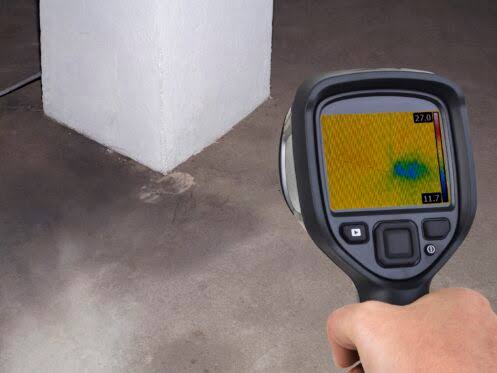
Plumbing specialists use advanced acoustic listening equipment, thermal imaging cameras, and tracer gas detectors to locate sub-slab leaks without tearing up concrete floors unnecessarily. Engaging expert leak detection services makes sure that there is precise pin-pointing before repair work begins.
Professional Solutions for Sub-Slab Plumbing Leaks
Once a slab leak is located beneath your floor, several repair options exist depending on the pipe condition, age, and location.
Direct Spot Repair
Direct spot repair involves removing a small section of flooring, jackhammering through the concrete slab, exposing the damaged pipe, and welding or replacing the leaking segment. This method works well for localized damage on newer plumbing systems. Once the pipe is restored, technicians fill the cavity with compact gravel and fresh concrete.
Pipe Rerouting or Above-Slab Repiping
For older homes with aging copper pipes, tearing up concrete isn’t always practical. Rerouting simply abandons the old sub-slab pipe and runs a modern PEX line through your attic or walls. Choosing professional repiping services completely eliminates future slab leak risks by moving your water lines above ground.
Epoxy Pipe Lining
Epoxy lining offers a non-invasive option for suitable pipe configurations. Technicians clean the interior of the leaking line using specialized tools, then blow a liquid epoxy resin through the pipe. The epoxy cures, creating a smooth barrier inside the existing line that seals small leaks without requiring concrete demolition.
Choosing the Best Repair Method for Your Home
The ideal repair choice depends on pipe age, structural access, and long-term home improvement goals. Consulting experienced technicians guarantees that your home receives an effective, lasting repair strategy.
Long-Term Prevention Strategies for Summer Plumbing Care
Preventing a slab leak hot weather incident requires consistent plumbing care and active foundation management throughout the year.
Managing Household Water Pressure
Excessive water pressure is a leading cause of sub-slab pipe failure. Installing a water pressure regulator keeps incoming supply pressure within a safe range, ideally between 40 and 60 pounds per square inch. Lowering excess pressure reduces ongoing mechanical stress on underground joints and fittings.
Maintaining Consistent Soil Moisture Around Your Foundation
Because extreme soil drying causes ground movement, maintaining stable soil moisture helps protect concrete slabs. Using soaker hoses along your foundation perimeter during extreme heat keeps soil from shrinking away from the concrete. Maintaining uniform moisture prevents harsh soil expansion cycles that stress underlying pipes.
Scheduling Annual Plumbing Inspections
Routine maintenance catches minor system changes before they turn into major structural emergencies. Professional plumbers inspect pressure levels, evaluate water chemistry, and test for subtle line pressure drops during annual checks. For comprehensive home protection, relying on dependable plumbing services keeps your home safe year-round.
Protecting Your Investment with Regular Maintenance
Proactive foundation care and routine plumbing system reviews cost a fraction of foundation restoration and structural masonry repairs.
Restoring Comfort and Protecting Your Foundation
A hidden slab leak hot weather situation requires quick action to protect your home foundation, indoor air quality, and household budget. High summer temperatures increase environmental stress on underground water lines, making early detection vital. Pay attention to sudden water bill increases, warm spots underfoot, and faint running water sounds during hot summer days.
If you suspect a leak beneath your home foundation, act promptly. Reaching out for professional slab leak detection and targeted repairs safeguards your property against costly structural damage and guarantees your plumbing operates efficiently all summer long.
Frequently Asked Questions
Slab leaks can be especially concerning during hot weather, when shifting soil, higher water demand, and expanding pipes can put added stress on plumbing beneath your home. Because these leaks often develop out of sight, knowing what to look for can help you catch a problem before it leads to costly water or structural damage.
If you’ve noticed higher water bills, unexplained dampness, warm flooring, or other unusual signs, consider having your plumbing inspected. Finding the source early can make repairs more manageable and help protect your home from further water and foundation damage. Reach out to SWAGS Plumbing and Rooter for more information.