 Skip to content

Causes and Prevention Tips in Late Winter
Late winter can be a challenging time for homeowners, especially when it comes to plumbing systems. One of the most frustrating and costly issues that can occur during this season is a sewer backup. As temperatures fluctuate and the ground begins to thaw, sewer systems are put under stress, increasing the risk of blockages and backups.
Understanding the causes and knowing how to implement proper sewer backup prevention strategies can save you from serious damage, health risks, and expensive repairs. In this guide, we will break down the most common causes of sewer backups in late winter and provide expert level tips to help you protect your home.
Why Sewer Backups Are Common in Late Winter
Late winter is a transitional period where frozen ground starts to thaw while still experiencing cold snaps. This constant freezing and thawing creates movement in the soil, which can impact underground sewer lines.
Here are the main reasons why sewer backups are more common during this time:
1. Frozen and Thawing Ground
When the ground freezes, it expands and puts pressure on sewer pipes. As it thaws, the soil shifts, which can lead to cracks, misalignment, or even pipe collapse. These structural issues can quickly lead to blockages and backups.
2. Tree Root Intrusion
Even in winter, tree roots continue to search for water sources. Sewer lines provide a consistent supply of moisture, making them a prime target. Small cracks in pipes can allow roots to enter and grow, eventually causing severe blockages that require professional clogged sewer line solutions.
3. Grease and Debris Buildup
During colder months, grease and fats poured down the drain solidify much faster. Over time, this buildup narrows the pipe and restricts flow, increasing the risk of a sewer backup.
4. Increased Water Usage
Winter often means more time indoors, leading to higher water usage from showers, laundry, and cooking. This increased demand puts additional strain on your sewer system, especially if there are already partial blockages present.
Signs of a Sewer Backup
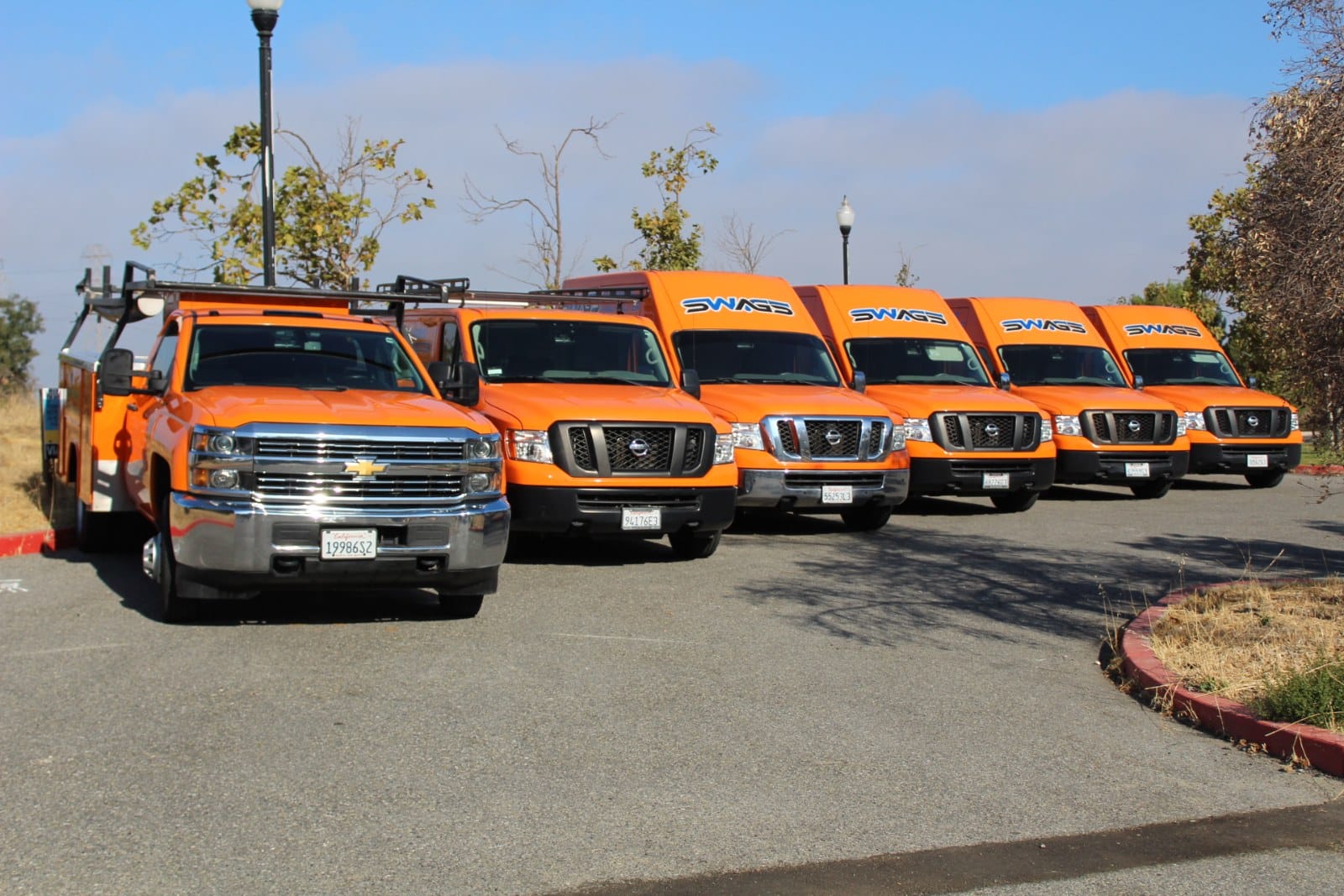
Recognizing the early warning signs can help you act quickly before the situation worsens. As experienced professionals at SWAGS Plumbing and Rooter often advise, catching the issue early is key to minimizing damage.
Watch for these signs:
- Slow draining sinks, tubs, or showers
- Gurgling sounds from drains or toilets
- Foul odors coming from drains
- Water backing up in multiple fixtures
- Standing water near floor drains
If you notice more than one of these symptoms, it is likely a main sewer line issue rather than a simple clog.
Sewer Backup Prevention Tips for Late Winter
Taking proactive steps is the best way to avoid costly repairs. Here are expert tips to help with effective sewer backup prevention during late winter.
1. Be Mindful of What Goes Down the Drain
Avoid pouring grease, oils, or food scraps down your drains. Even small amounts can solidify in cold pipes and create blockages over time.
Instead:
- Dispose of grease in a sealed container
- Use drain strainers to catch debris
- Avoid flushing non flushable items
2. Schedule a Professional Sewer Inspection
A professional inspection can identify potential problems before they become serious. Using camera technology, plumbers can detect cracks, root intrusion, and buildup inside your pipes.
At SWAGS Plumbing and Rooter, technicians use advanced diagnostic tools to provide accurate assessments and recommend the best clogged sewer line solutions.
3. Clear Tree Roots Early
If your property has large trees near sewer lines, root intrusion is a real concern. Regular maintenance, including hydro jetting or root cutting, can prevent roots from taking over your pipes.
4. Insulate Vulnerable Pipes
Pipes in colder areas such as basements or crawl spaces are more susceptible to freezing. Proper insulation helps maintain consistent temperatures and reduces the risk of pipe damage.
5. Install a Backwater Valve
A backwater valve is a highly effective device that prevents sewage from flowing back into your home. It automatically closes when it detects reverse flow, providing an extra layer of protection.
6. Reduce Water Usage During Peak Times
Avoid running multiple water appliances at the same time. Spacing out activities like laundry and showers can help reduce strain on your sewer system.
Professional Clogged Sewer Line Solutions
When prevention is not enough, professional intervention becomes necessary. Sewer line issues are complex and require the right tools and expertise to resolve safely and effectively.
Here are some common solutions used by professionals:
Hydro Jetting
This method uses high pressure water to remove grease, debris, and even tree roots from inside the pipes. It is one of the most effective ways to restore full flow in a sewer line.
A camera inspection allows plumbers to pinpoint the exact location and cause of the problem. This guarantees that repairs are targeted and efficient.
Pipe Repair or Replacement
In cases where pipes are damaged or collapsed, repair or replacement may be necessary. Modern techniques such as trenchless sewer repair minimize disruption to your property.
Root Removal Services
Specialized tools are used to cut and remove roots from inside the pipes. This is often combined with preventive treatments to slow future growth.
How to Prevent Sewer Backup in Winter and Beyond
While late winter presents unique challenges, maintaining your sewer system year round is important. Here are additional steps to help you prevent sewer backup in winter and throughout the year:
- Schedule annual plumbing maintenance
- Avoid chemical drain cleaners that can damage pipes
- Keep an eye on outdoor drainage systems
- Repair leaks promptly to prevent soil erosion around pipes
- Educate household members on proper drain usage
Consistent maintenance and awareness can significantly reduce the risk of unexpected sewer issues.
Why Choose SWAGS Plumbing and Rooter
When dealing with sewer issues, experience matters. SWAGS Plumbing and Rooter is known for providing reliable, professional, and customer focused plumbing services. Their team understands the unique challenges that homeowners face during seasonal transitions and offers tailored solutions to keep your plumbing system running smoothly.
With a strong commitment to quality workmanship and customer satisfaction, they use advanced tools and proven techniques to deliver long lasting results. Whether you need preventive maintenance or urgent repairs, their skilled technicians are ready to help.
FAQs About Sewer Backup Prevention
Protect Your Home from Costly Sewer Backups
Sewer backups in late winter are more than just an inconvenience. They can lead to serious property damage and health concerns if not addressed quickly. By understanding the causes and implementing effective sewer backup prevention strategies, you can protect your home and avoid costly repairs.
If you are experiencing issues or want to take proactive steps, trust the experts at SWAGS Plumbing and Rooter. Their professional team is equipped to handle everything from inspections to advanced clogged sewer line solutions, ensuring your plumbing system stays reliable all year long.