 Skip to content
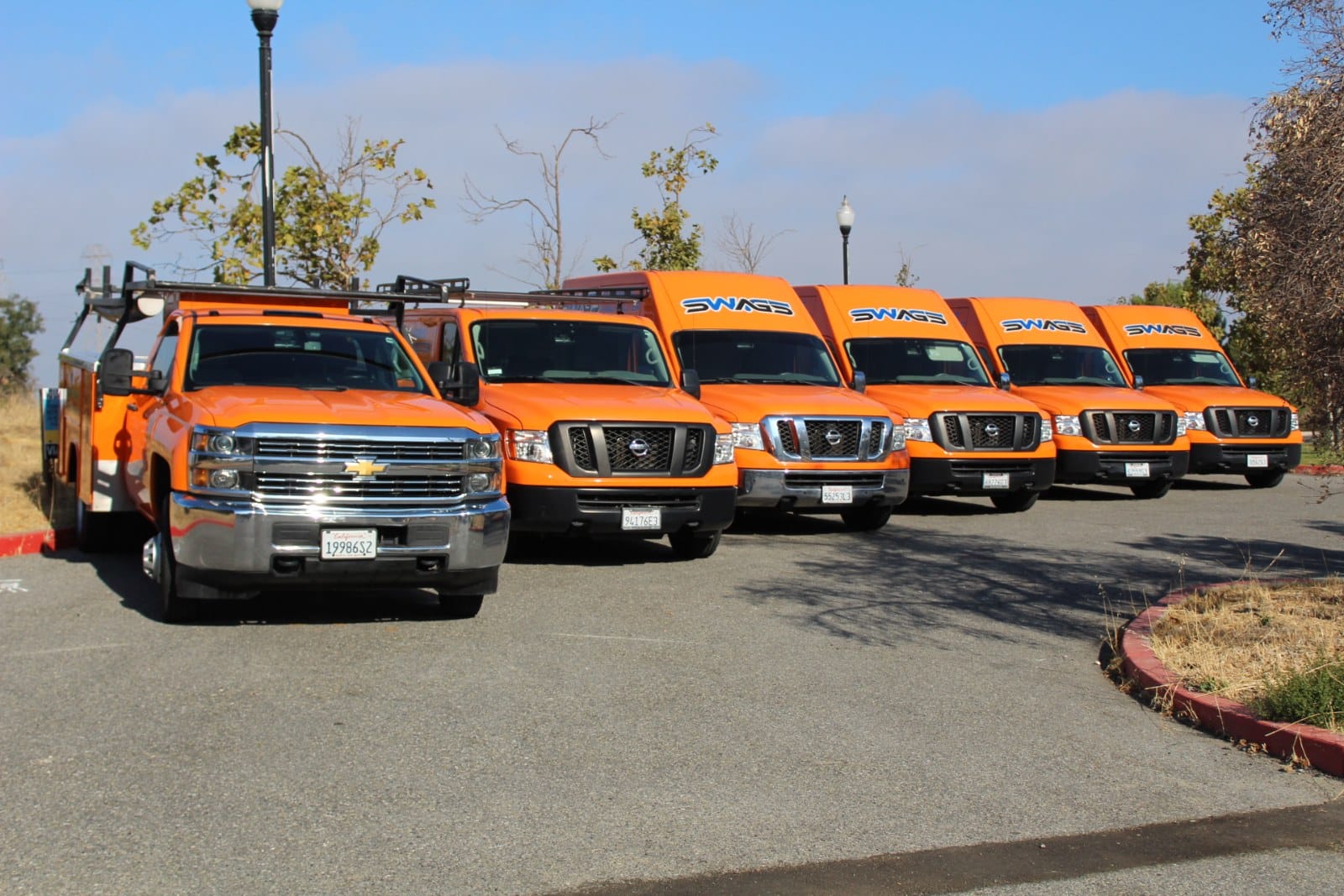
When winter arrives, your plumbing system works harder than any other season. Colder incoming water, longer showers, holiday guests, and constant laundry loads all increase the demand on your water heater. If your current system struggles to keep up, you are not alone.
As a professional plumbing team with years of hands-on experience, SWAGS Plumbing and Rooter has seen firsthand how traditional tank water heaters often fail during peak winter demand. That is why many homeowners are upgrading to the ideal tankless water heaters for Winter.
In this guide, we will explain why tankless systems are built for winter performance, how they protect your comfort, and what to consider before installing a winter tankless water heater in your home.
Why Winter Is Hard on Traditional Water Heaters
Most homeowners do not realize how much winter affects their water heater. When outside temperatures drop, the water entering your home is significantly colder. Your system must work harder to raise that water to a comfortable temperature.
Here are a few common winter challenges we see as technicians:
- Slower recovery times
- Running out of hot water during peak use
- Higher energy bills
- Inconsistent water temperatures
- Increased wear on heating components
Traditional tank systems store a limited amount of hot water. Once that supply runs out, you must wait for the tank to refill and reheat. During winter, this delay feels even longer because the system is heating colder water.
This is where ideal tankless water heaters for Winter truly stand out.
How Tankless Water Heaters Perform in Cold Weather
A tankless system heats water on demand instead of storing it. When you turn on a faucet or shower, cold water passes through a heat exchanger that instantly raises the temperature.
Because there is no storage tank to empty, you receive continuous hot water as long as the system is properly sized.
From a professional standpoint, proper sizing is critical in winter climates. At SWAGS Plumbing and Rooter, we calculate:
- Incoming groundwater temperature
- Desired output temperature
- Number of fixtures used simultaneously
- Gas or electrical capacity
When installed correctly, a winter tankless water heater can handle high demand without the performance issues common in tank systems.
Endless Hot Water During Winter Mornings
Winter mornings are often the most demanding time of day. Multiple family members showering, dishwashers running, and laundry starting at the same time can overwhelm a tank system.
With one of the ideal tankless water heaters for Winter, there is no stored supply to run out. The system continues heating water as needed, providing reliable performance even during peak use.
We frequently hear from customers who say the biggest difference is never running out of hot water again. That reliability becomes especially valuable during colder months.
Improved Energy Efficiency When You Need It Most
Energy bills typically rise in winter due to heating systems running longer. Traditional water heaters contribute to this increase because they constantly maintain stored hot water, even when you are not using it.
Tankless systems eliminate standby heat loss. They only activate when hot water is needed.
In our field experience, many homeowners notice improved efficiency after upgrading to a winter tankless water heater. Over time, those savings can offset the initial installation investment.
Built In Freeze Protection Features
One of the most common concerns homeowners have during winter is whether a tankless system can handle freezing temperatures. Modern units are specifically engineered with built in freeze protection mechanisms to address this issue and provide added peace of mind.
These protective features often include:
- Automatic sensors that continuously monitor the internal temperature of the unit
- Self activating heating elements that turn on when temperatures drop near freezing
- Protective system alerts that notify homeowners if conditions require attention
These safeguards are designed to protect critical internal components such as the heat exchanger. However, it is important to understand that built in freeze protection does not replace proper installation practices. External plumbing lines, water supply pipes, and venting components still need professional insulation and correct placement to prevent freezing.
At SWAGS Plumbing and Rooter, we take winter protection seriously. Every winter tankless water heater installation includes proper pipe insulation, carefully planned venting, and secure mounting in protected areas of the home. Our technicians evaluate the installation environment to ensure the system is fully prepared for cold weather conditions, helping homeowners avoid costly winter damage and maintain reliable hot water all season long.
Longer Lifespan and Greater Durability
Traditional tank water heaters typically last between eight and twelve years. Tankless systems can last up to twenty years or more with proper maintenance.
Winter conditions can be harsh on plumbing equipment. Tank systems are especially vulnerable to sediment buildup and internal corrosion. In freezing conditions, tanks can crack if water expands inside.
Tankless systems do not store water, reducing internal stress and lowering the risk of winter related failures.
As professional plumbers, we have replaced many tank systems during winter emergencies. Preventative upgrades to ideal tankless water heaters for Winter can help homeowners avoid those urgent calls.
Maintenance Tips for Winter Tankless Water Heater Performance
Even the best system requires routine maintenance to perform efficiently during peak winter demand. Cold weather places additional strain on plumbing systems, and preventative care helps avoid unexpected breakdowns when you need hot water the most. Here are technician recommended tips to keep your system winter ready:
- Schedule annual professional flushing to remove mineral buildup that can reduce heating efficiency and restrict water flow
- Inspect venting for blockages to ensure proper airflow and safe operation
- Check insulation on exposed pipes to prevent freezing and heat loss
- Monitor system error codes and address any warning signs promptly
- Ensure proper gas pressure or electrical supply so the unit can meet increased winter heating demands
Routine service not only protects performance but also extends the lifespan of your tankless system. At SWAGS Plumbing and Rooter, we recommend scheduling professional maintenance before winter begins. A pre season inspection confirms your system is clean, properly vented, fully insulated, and ready to handle the heavier hot water demand that comes with colder temperatures.
Professional Sizing Matters More Than Brand
One of the biggest mistakes homeowners make is focusing only on brand names. While quality manufacturers matter, correct sizing and installation determine performance.
A properly sized winter tankless water heater must account for temperature rise. For example, if incoming water is forty degrees and you want one hundred twenty degree output, the system must handle that eighty degree increase while supplying multiple fixtures.
Without professional calculations, homeowners may experience reduced flow rates during winter.
Our team evaluates each home individually to ensure the selected unit truly qualifies as one of the ideal tankless water heaters for Winter based on real usage patterns.
Why Experience Matters in Plumbing Decisions
When researching home upgrades, experience and trust matter. Plumbing systems affect health, safety, and financial investment. That makes water heater installation a decision that requires expertise and reliability.
At SWAGS Plumbing and Rooter, our technicians bring:
- Licensed professional training
- Years of hands on installation experience
- Knowledge of local climate demands
- Proven maintenance practices
- Transparent customer communication
We do not recommend systems based on trends. We recommend solutions based on performance, safety, and long term reliability.
That experience driven approach ensures homeowners receive accurate advice and dependable results.
Is a Winter Tankless Water Heater Right for Your Home
Upgrading your water heater is a significant decision, especially when preparing for colder months. Winter places higher demand on your plumbing system, and not every home benefits equally from the same solution. However, many homeowners find that switching to a tankless system provides noticeable improvements in comfort and efficiency.
You may benefit from upgrading if:
- Your current tank runs out of hot water in winter, especially during morning routines
- Your energy bills increase significantly during colder months
- You have a large household with multiple bathrooms
- You plan to remodel, expand, or upgrade your plumbing system
- Your existing water heater is more than ten years old
If your current system struggles to keep up when temperatures drop, it may be time to consider one of the ideal tankless water heaters for Winter. A professionally installed tankless system can provide continuous hot water, improved efficiency, and long term reliability.
The best way to determine if a winter tankless water heater is right for your home is through a professional evaluation. A licensed plumber can assess your household demand, groundwater temperature, gas or electrical capacity, and overall plumbing layout. This ensures you choose the right size and configuration for dependable winter performance.
Frequently Asked Questions
Trust SWAGS Plumbing and Rooter for Winter Water Heater Solutions
Upgrading your water heater is not just about comfort. It is about reliability, efficiency, and long term performance. Choosing the ideal tankless water heaters for Winter requires accurate sizing, professional installation, and ongoing maintenance.
SWAGS Plumbing and Rooter provides experienced installation, honest recommendations, and dependable service. Our team understands how winter affects plumbing systems and how to prepare your home for peak demand.
If you are ready to improve your hot water performance this season, contact us today. Let us help you enjoy consistent comfort, energy efficiency, and peace of mind all winter long.