 Skip to content

A dripping faucet is easy to spot. A leak behind the wall or a damaged sewer pipe? Not so much. Many plumbing problems start quietly, showing up as a higher water bill, a slow drain, or a strange sound coming from the pipes. That’s where plumbing diagnostics come in. Finding out what’s actually wrong can save you from repeated repairs and bigger problems later.
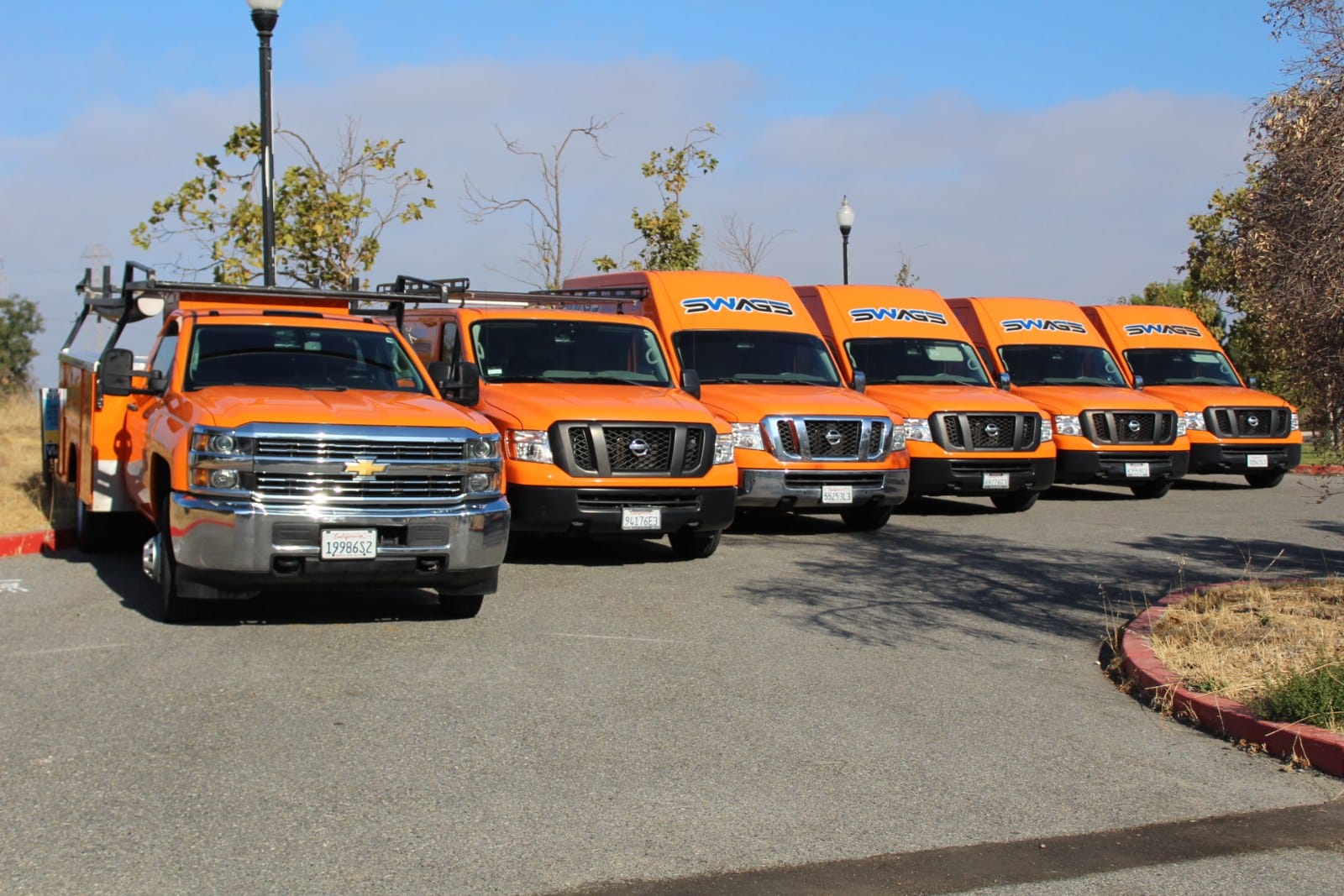
At SWAGS Plumbing and Rooter, we help homeowners understand what’s happening inside their plumbing systems before deciding on the right repair. From leak detection to sewer camera inspections, our team uses professional equipment and hands-on experience to investigate problems, explain the findings, and recommend practical solutions.
Plumbing Diagnostics
Plumbing diagnostics helps identify what’s causing a plumbing problem and where it’s coming from. Through inspection and testing, a plumber determines whether a slow drain is caused by a simple clog or a deeper blockage, or if low water pressure comes from a faulty fixture, valve, or pipe. Instead of guessing, plumbing diagnostics gets to the root of the issue immediately.
Why Accurate Diagnosis Matters
A plumbing problem doesn’t always originate where the symptoms appear. Water from a leaking pipe may travel along framing before leaving a stain on the ceiling. A sewer obstruction may affect several fixtures even though the blockage is nowhere near them.
Without proper plumbing troubleshooting, it’s easy to focus on the visible damage while missing the underlying cause. A thorough diagnosis helps homeowners:
- Understand the source of a plumbing issue.
- Avoid replacing components that may still be working properly.
- Identify concealed damage before it becomes more serious.
- Make informed decisions about sewer replacement and repair.
- Reduce the likelihood of the same problem returning.
Accurate diagnosis doesn’t guarantee that every issue will be simple to repair, but it provides a much better starting point.
When Should You Schedule Plumbing Diagnostics?
You don’t need to wait for a major leak or sewer backup to have your plumbing checked. Some of the most important warning signs are easy to overlook because they develop gradually.
Unexplained Changes in Your Water Bill
If your water bill suddenly increases without a noticeable change in household usage, investigate the possibility of a leak. A running toilet, leaking fixture, or damaged water supply pipe could be allowing water to escape continuously.
Start by checking visible faucets and toilets. If you can’t find an obvious explanation, professional plumbing diagnostics can help determine whether there’s a hidden problem. The EPA WaterSense program offers useful information about finding and addressing common household water leaks.
Low or Inconsistent Water Pressure
A noticeable drop in water pressure can make showers, laundry, and everyday cleaning frustrating.
If the issue affects only one faucet, the cause may be limited to that fixture. When several fixtures experience weak flow, a broader plumbing system inspection may be appropriate. A plumber can examine accessible valves, fixtures, and supply piping to help identify the cause.
Recurring Drain Clogs
An occasional slow drain may be caused by hair, soap residue, grease, or other everyday debris. However, if a drain repeatedly clogs shortly after being cleared, there may be a deeper obstruction or another issue affecting the pipe. Recurring problems deserve more than another temporary fix.
Water Stains and Unusual Sewer Odors
Damp cabinets, discolored drywall, peeling paint, and musty smells can indicate moisture where it doesn’t belong. These symptoms don’t always confirm a plumbing leak, but they should prompt further investigation. Finding the source early may help limit damage to flooring, walls, and nearby belongings.
Gurgling or Unusual Pipe Sounds
Plumbing systems make some normal sounds during operation. Persistent gurgling, banging, or other unusual noises, especially when accompanied by poor drainage or changing water pressure, may indicate an issue worth investigating.
Pay attention to when the sound occurs and which fixtures are being used. These details can help a plumber narrow down the possibilities.
How Professional Plumbing Diagnostics Work
Every home has a different plumbing layout, and not every problem requires the same testing method. A professional assessment typically begins with the symptoms and moves toward more targeted inspections.
Step 1: Discussing the Problem
A plumber may ask when the issue started, whether it happens continuously or occasionally, and which fixtures are affected. Homeowners can help by sharing details such as recent repairs, changes in water pressure, recurring clogs, or unusually high water bills. Even small observations can provide useful clues.
Step 2: Inspecting Accessible Plumbing
The next step may involve checking visible pipes, shutoff valves, faucets, toilets, drains, and other accessible components. During a plumbing inspection, the technician looks for signs of leaks, deterioration, loose connections, and abnormal operation. This initial examination helps determine whether more specialized testing is needed.
Step 3: Testing the Affected System
Depending on the symptoms, plumbing troubleshooting may involve evaluating water flow, checking pressure, inspecting drainage performance, or using equipment designed to locate concealed problems. Not every home needs every test. The appropriate method depends on what the initial inspection reveals.
Step 4: Reviewing the Findings
Once the likely cause has been identified, the plumber can explain the condition of the affected components and discuss suitable repair options. This is also an opportunity to ask whether the issue appears isolated or whether other parts of the system may need attention. The goal is to understand the problem before committing to a repair.
Common Plumbing Problems That Require Diagnostic Testing
Some issues can be identified through a straightforward visual inspection. Others require a closer look. Here are several situations where professional plumbing diagnostics can be particularly helpful.
Hidden Water Leaks
Water leaks aren’t always visible. A damaged pipe behind a wall or beneath flooring may allow moisture to spread before a homeowner notices any obvious signs. Professional leak detection helps narrow down the source so the appropriate repair can be planned.
At SWAGS Plumbing and Rooter, our team provides water leak detection and repair services for plumbing problems that aren’t always easy to identify. Early investigation is especially important when moisture is affecting finished surfaces or the source of the leak remains unclear.
Sewer Line Blockages and Damage
Your home’s sewer line carries wastewater away from toilets, sinks, showers, and other connected fixtures. When that line becomes obstructed or damaged, the effects can appear throughout the house.
Warning signs may include recurring backups, several slow drains, unpleasant sewage odors, or wastewater appearing in an unexpected fixture. A sewer camera inspection allows a technician to view the inside of accessible piping and investigate conditions such as debris buildup, root intrusion, cracks, or other visible damage.
SWAGS Plumbing and Rooter offers video pipe inspections to help identify sewer problems and determine suitable repair options. This can be especially useful when the same blockage keeps returning.
Persistent Drainage Problems
Not every clogged drain requires a camera inspection. Some blockages can be resolved through standard drain cleaning. Others may involve significant buildup or recurring obstructions that need further investigation.
A diagnostic assessment helps determine whether the problem is limited to one fixture or affects a larger portion of the drainage system. Depending on the pipe’s condition and the type of blockage, our team may recommend professional drain cleaning or hydro jetting.
Hydro jetting uses high-pressure water to remove certain types of buildup from suitable pipes. It isn’t the right choice for every plumbing system, which is why evaluating pipe conditions matters.
Water Heater Performance Issues
Water heaters can develop problems that affect temperature, hot water availability, and overall operation. Homeowners may notice that hot water runs out sooner than expected, the temperature fluctuates, or unusual noises come from the unit.
A plumbing inspection can help determine whether the problem involves a connection, component, or the water heater itself. SWAGS Plumbing and Rooter services both conventional and tankless water heaters, including repairs and installations.
For general information about water heating equipment and energy use, visit the U.S. Department of Energy’s Water Heating page.
Toilet Problems That Keep Coming Back
A toilet that runs continuously, flushes poorly, or clogs repeatedly may need more than a quick adjustment.
The issue could involve internal tank components, a local obstruction, or a drainage problem farther down the line. Professional plumbing troubleshooting helps distinguish between these possibilities.
If the problem is related to a worn component, a targeted repair may restore normal operation. If several fixtures are affected, the drainage system may need closer examination. The EPA WaterSense website also provides information about water-efficient plumbing fixtures and household water conservation.
Plumbing Inspection vs. Plumbing Diagnostics
What’s the Difference?
Although the terms are closely related, they don’t always mean exactly the same thing. A plumbing inspection generally focuses on evaluating the condition and operation of plumbing components. It may be performed as part of routine maintenance or when a homeowner wants to understand the overall condition of a system.
Plumbing diagnostics, on the other hand, focuses on investigating a particular symptom or identifying the cause of a suspected problem.
For example, an inspection might reveal corrosion around an accessible pipe connection. A diagnostic assessment may then investigate whether that connection is actively leaking and whether nearby components have also been affected.
A plumbing system inspection can involve a broader review of supply piping, drainage, fixtures, and related equipment.
These services often overlap. The exact scope depends on the home’s condition, the homeowner’s concerns, and the tests needed. The important thing is knowing what is being inspected and what questions the assessment is intended to answer.
Can You Troubleshoot Plumbing Problems Yourself?
There are a few simple checks homeowners can perform before scheduling service. If one faucet has low pressure, compare it with nearby fixtures.
If a toilet keeps running, listen for water entering the tank when nobody has flushed. If you suspect a leak, check accessible connections for moisture and look for changes in your water meter when no water is being used.
These observations can help you describe the issue more clearly. However, avoid opening walls, dismantling unfamiliar equipment, or attempting repairs involving gas lines or electrical components.
You should also avoid repeatedly using chemical drain cleaners when a blockage keeps returning. They may not resolve the underlying problem and can introduce additional handling hazards.
If water is actively escaping from a damaged pipe, shut off the appropriate water supply valve when it is safe to do so. For a major leak, sewage backup, or another urgent issue, professional assistance is the safer next step.
Our emergency plumbing services are available for plumbing problems that require prompt attention.
How Plumbing Diagnostics Can Help Prevent Unnecessary Repairs
One of the biggest frustrations homeowners face is paying for a repair only to discover that the original problem is still there.
Consider a sink that drains slowly every few weeks. Repeatedly clearing the same fixture might temporarily restore water flow. But if the actual obstruction is deeper in the drain line, the problem may continue.
A proper diagnostic assessment helps determine whether the fixture, branch drain, or main drainage system needs attention. The same principle applies to water leaks.
Repairing visible water damage without identifying the source of moisture may leave the underlying plumbing issue unresolved. Plumbing diagnostics helps homeowners make repair decisions based on evidence rather than assumptions.
That can mean a smaller, more focused repair when the problem is isolated or a more comprehensive solution when the system has significant damage.
What Affects the Cost of Plumbing Diagnostics?
The cost of a diagnostic service depends on what needs to be investigated. A visible leak beneath a sink may require a different level of inspection than an underground sewer problem or a suspected leak behind finished walls. Several factors can influence the work involved:
- The location and accessibility of the affected plumbing.
- Whether the problem is continuous or intermittent.
- The type of testing or inspection equipment required.
- The age and condition of the plumbing system.
- Whether additional investigation is necessary to confirm the cause.
Because plumbing problems vary, there isn’t one diagnostic method or price that fits every situation. Before work begins, ask what the assessment includes and whether additional testing may be recommended. Understanding the scope of the inspection helps you make informed decisions.
When Is a Full Plumbing System Inspection Worth Considering?
You don’t always need a complete plumbing system inspection to resolve a single dripping faucet. However, a broader assessment may be useful when problems affect multiple areas of the home.
Consider scheduling one if you notice recurring leaks, repeated drainage issues, inconsistent water pressure, or signs of deterioration in older plumbing. A system-wide inspection may also be worth discussing when planning major renovations or evaluating plumbing that hasn’t received professional attention in several years.
The purpose isn’t to replace components simply because they’re old. It’s to better understand their condition, identify existing concerns, and prioritize repairs where they’re actually needed.
What Homeowners Can Do Between Inspections
Good plumbing habits can help you notice problems before they become emergencies. Check beneath sinks occasionally for moisture. Pay attention to changes in drainage speed and water pressure. Avoid flushing wipes or other unsuitable materials, and keep cooking grease out of kitchen drains.
It also helps to know where your home’s main water shutoff valve is located. If a plumbing problem develops, being able to stop the water supply quickly can make a significant difference.
Keep track of recurring symptoms, too. Knowing when a problem started and how often it happens can make future plumbing troubleshooting more effective.
Why Choose SWAGS Plumbing and Rooter for Plumbing Diagnostics?
When something goes wrong with your plumbing, you want more than a temporary fix. You want to know what caused the problem and what it will take to resolve it.
At SWAGS Plumbing and Rooter, we approach plumbing issues with careful evaluation and practical solutions.
Our plumbing services include leak detection, water supply pipe repairs, drain cleaning, sewer camera inspections, sewer repair, and water heater services. We use professional inspection equipment, including video technology for examining sewer and drainpipes, to help investigate problems that aren’t visible from the surface.
Whether you’re dealing with a recurring clog or an unexplained leak, our goal is to identify the issue and help you understand the available options. And when a plumbing problem can’t wait, we offer 24/7 emergency plumbing assistance.
Frequently Asked Questions
Plumbing problems often raise questions about what needs to be checked, how long an inspection might take, and whether repairs are necessary. Here are answers to some common concerns.
Small plumbing problems can quickly turn into costly repairs if left unchecked. With professional plumbing diagnostics, SWAGS Plumbing and Rooter can help find the cause and provide reliable solutions before things get worse. Call our team of experts to schedule your plumbing service today.